The Choice is Yours: The Biggest Truth About Birth (And Why It Feels So Hard to Believe)

How often have you checked the back of the bottle for something your GP prescribed compared to the makeup or skincare you purchased yourself?
If you’re anything like me, the odds will be somewhere between 0 and an incredibly high number. I spend way too much time reading the nitty-gritty of the ingredients in the products I buy, trying to make sure I choose things that won’t harm me. And yet, I’ve found myself blindly ingesting anything that was given to me simply because it was instructed by somebody in scrubs or came with a doctor’s signature.
I grew up with the belief that medical professionals always know best and that I should just obey without question. Fast-forward to when I first found out I was pregnant. One of my initial thoughts, after “Wow, this is actually happening!”, was “I should tell the doctor”, expecting them to immediately impart commands on what I should and shouldn’t do from that point forward.
And then came the first of two shocking realisations:
The NHS won’t really give you the time of day until you’re around 10 weeks pregnant, with most booking appointments happening virtually nowadays. So, as long as you’re not unwell, you’re quite reasonably left to get on with your own thoughts and life as usual.
“But I’m pregnant. I’m growing a whole other human being and I’m just meant to go about my day like nothing’s changed?”
Yes.
And here comes the next shocking realisation:
Pregnancy is not a disease. You are not automatically a patient, and even if particular health implications will at some point make you one, you still get to call the shots!
Let’s unpack this a little.
While medical expertise is invaluable, it is often targeted towards complications and interventions. Pregnancy and birth are physiological processes, which means that a doctor’s expertise may not always be the best source of guidance for every aspect of the experience, like asking an eye doctor to direct heart surgery or an estate agent to lead a construction site.
When it comes to physiological pregnancy and birth, your body is the subject matter and you are the ultimate expert. Real safety and empowerment come from active decision-making, not blind obedience.
Really understanding this made me see the journey to meeting my son in a whole new light. I hope I can share some of that transformation with you too.
Here goes…
Understanding Hospital Guidelines vs. Your Individual Needs
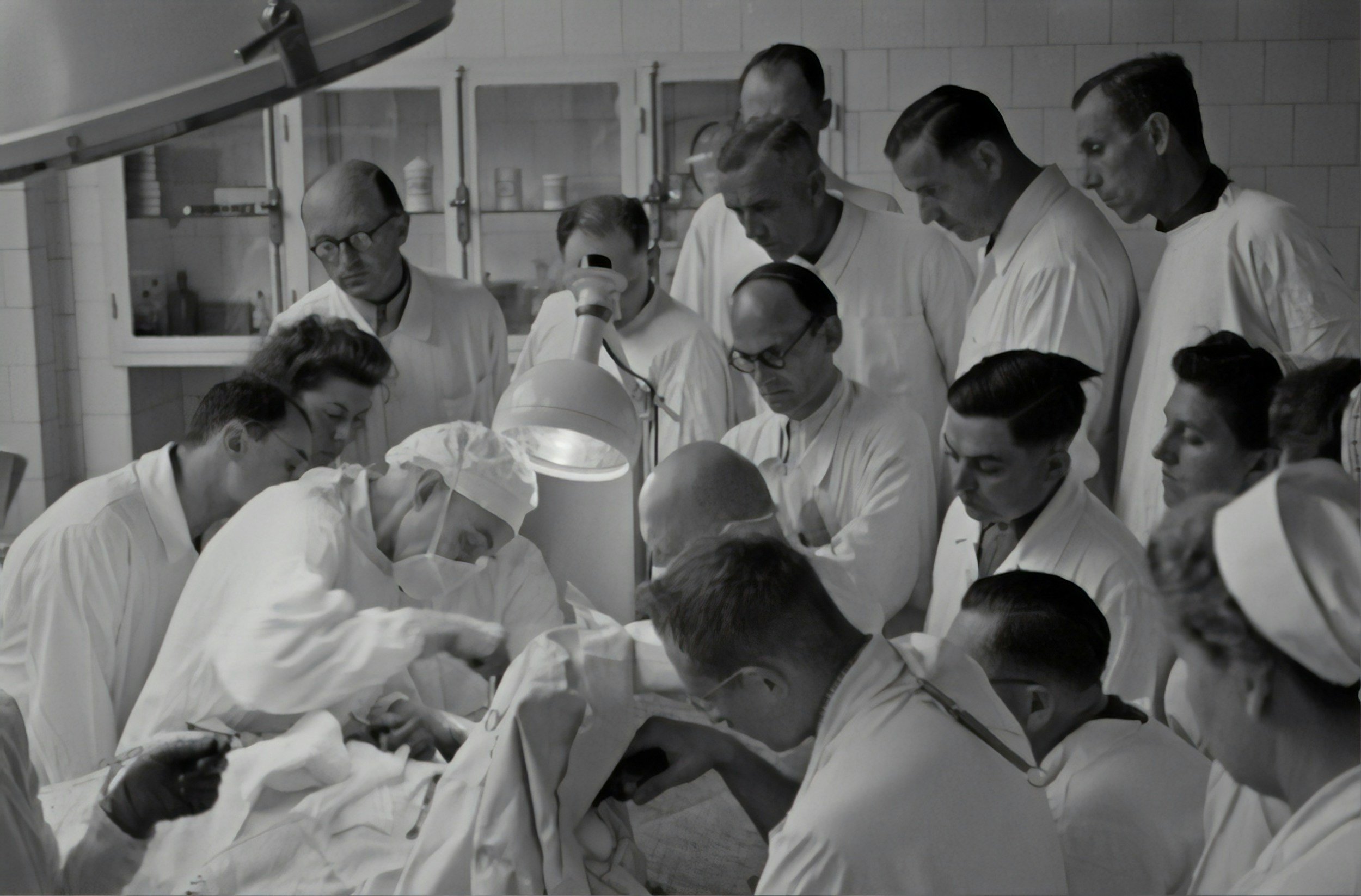
Overcoming the limiting belief that only somebody with a degree in medicine can give you the right support for childbirth starts with understanding the reality of regulations.
Obstetricians, anaesthetists, paediatricians and even midwives are all bound by hospital policies. Research published in The Lancet points out that hospital policies can be shaped by legal protection and institutional logistics, meaning standard procedures may be designed around what works for the system rather than what is individually tailored to your body [1}.
Hospital guidelines vary from hospital to hospital too. This means that in one hospital you could be “allowed” to labour in the pool even with a high-risk pregnancy, while the medical professionals at another hospital might give you the toughest pushback, despite your individual circumstances remaining the same.
This is why they are guidelines, not necessarily a statement of what is best for YOU.
One more time for the people at the back:
Hospital policies are not the law. Your right to make your own choices around pregnancy, labour and birth is.
There are ways to navigate situations where your preferences clash with medical recommendations, which I’ll explore in more detail below. But what’s crucial to remember is that recommendations are recommendations. They are not orders.
A doctor understands clinical pathology, but they don’t know your unique baseline, intuition or physiological functioning. A midwife’s expertise is actually better placed in the physiological side of birth, as their training is centred around supporting physiological birth. However, even midwives cannot support your specific wishes if you don’t communicate them.
You don’t need to conform to standard procedures simply because that’s the first thing a clinician suggests. I promise you, they won’t be offended if you articulate your needs respectfully.
Advocating for yourself is how you shape your experience around what you want and need, rather than passively accepting decisions that could leave you with a sense of regret further down the line.
And advocacy is crucial, but you don’t have to face it alone.
Birth preparation helps you build strong foundations for this, while birth partners and doulas can play a huge role as part of your advocacy team, especially during labour when you’ll be otherwise occupied.
Medical interventions save lives and are deeply respected, but interventions can also lead to further interventions. Just one example: while hospital staff might prefer you on your back because it’s easier for them to see what’s happening, a major Cochrane review found that upright birthing positions can shorten the pushing stage and reduce the likelihood of an assisted delivery [2].
Honestly, my mind was already blown by the time I understood the importance of advocacy, let alone gaining the confidence to navigate the system when different interventions may be offered during labour.
So, hold on tight if you’ve made it this far!
From Test to Exit: Your Choices and Consent During Your Pregnancy and Birth




As the pregnant person, the choice remains yours from the moment you take that first pregnancy test to the moment YOU decide to leave the hospital with your baby.
(I don’t need permission to leave the hospital? What?!)
It all comes back to consent, something you can give when you are comfortable to do so and withdraw at any point.
Shall we bust some myths about autonomy and medical consent?
Routine cervical examinations during labour = NOT a command.
You can decline them, and you should be able to make that decision based on an understanding of the potential benefits and risks [3].“We are going to break your waters now” = NOT a command.
This is called an amniotomy and requires informed consent. You should be made aware of the potential benefits, risks and alternatives before making a decision.“We’ll do a stretch and sweep while we’re in there” as you are about to receive a cervical examination.
Absolutely not. Consent to one procedure does not automatically mean consent to another. Performing an additional procedure without consent can amount to unlawful touching and assault.
Making your own choices acts as a protective shield against coercion, panic and birth trauma. Research has found that a mother’s satisfaction and psychological wellbeing after birth are closely associated with her perceived sense of control and autonomy, rather than simply the method of delivery [4].
But if you’re like me - somebody who would take a long minute just to decide which meal deal to grab for lunch - being faced with several important choices can feel like the complete opposite of a blessing…
Birth Preparation: How to Make Your Choices Without Feeling Overwhelmed
Realising that everything is your decision can feel overwhelming, stressful and lonely rather than freeing.
The hard truth is that pregnancy comes with its very own mental load. The more you can leverage the right tools to manage it, the lighter that load can feel.
One simple but incredibly useful tool is the B.R.A.I.N. acronym - an analytical anchor that can help you calmly filter medical advice.
You can use it whenever you’re faced with a medical decision, but it works just as well for all sorts of choices during pregnancy.
Looking to buy another expensive piece of baby gear? Have your waters been broken for 24 hours and you’re suddenly being pressured towards an induction?
Whip out your BRAIN!
B - Benefits: What are the advantages of this course of action?
R - Risks: What are the potential downsides or side effects?
A - Alternatives: Are there other options available?
I - Intuition: What does my gut instinct tell me?
N - Nothing: What happens if we do nothing, or wait for an hour?
If you’re hearing about BRAIN for the first time, or you’ve heard of it before but never really used it, I hear you.
I’ve been you.
It can feel like driving a car for the first time after getting your licence. You have the machine that can get you wherever you need to go, but the journey still feels scary because you lack confidence.
This is why birth preparation should be a gradual and supported effort, rather than information overload being dumped on you to take home and have indigestion over at your own leisure.
When I worked on my own birth preparation, I wasn’t lucky enough to find a 1:1 hypnobirthing teacher who could share the journey with me and help lighten the load. Instead, I gave myself a headache trying to work through all the scary information and endless options.
And yes, hypnobirthing is that powerful. With a little bit of luck of the draw, it was enough to secure me a brilliant birth experience. But for many people, it isn’t enough on its own.
Often, the difference comes down to how the whole birth experience is perceived. Without the right preparation, it can become filled with last-minute overwhelm, fear and decisions made from panic instead of confidence.
I’ve made it my own personal mission to make sure you get to hear about how hypnobirthing can help you and, more importantly, how you can access the birth preparation you need.
Claiming Back Your Birth Right To Birth Autonomy

Birth preparation doesn’t need to happen all at once.
Digesting information incrementally throughout pregnancy gives you time to understand your options, ask questions, practise using tools like BRAIN and have those conversations with your birth partner before you’re in the middle of labour.
The goal isn’t to know everything.
It’s to build enough knowledge and confidence that, when the moment comes, you can make decisions without feeling like you’ve been thrown into the deep end.
And perhaps this is the biggest shift of all.
Your birth preparation isn’t about learning how to have the perfect birth. It’s about learning how to navigate those situations when things don’t go exactly to plan.
Because birth is unpredictable. Your preferences and circumstances may change. Medical intervention may become necessary. And sometimes the safest choice is not the choice you originally imagined.
And this is where I want to bring us back to the biggest truth of all:
Your autonomy is your birth right.
You do not have to earn the right to make decisions about your own body. You don’t become less entitled to autonomy because you are pregnant. You don’t lose your voice because you’ve walked through a hospital door.
And it doesn’t mean always saying no to medical intervention. It means being an active participant in deciding what happens to you. Stepping into the driver’s seat rather than handing over the keys simply because somebody else appears more qualified to hold them.
If you haven’t heard of Birthrights UK yet, I strongly encourage you to check them out as they work to champion and protect your human rights during pregnancy and childbirth with lots of incredibly informative resources available on this particular topic.
Stepping into your decision-making power is one of the most powerful ways you can protect your birth space and embrace the transition to motherhood with confidence.
The choice is, and always will be, yours.
Ready to discover how hypnobirthing can prepare you for a confident birth and a positive start to your parenting journey? Join The Quiet Tide and start a journey that is designed around you and your baby.
